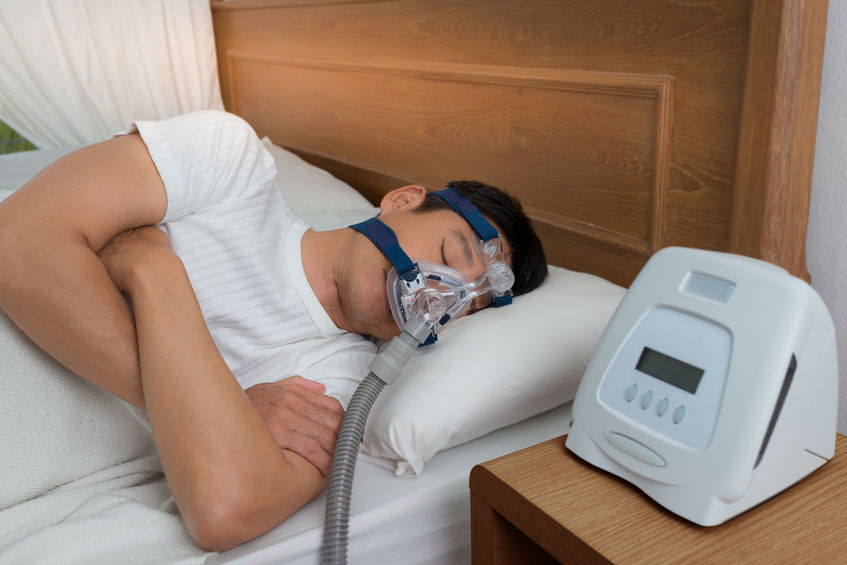
What are the main CPAP mask types, and who do they suit?
Most people choose between nasal pillows, nasal masks, and full-face masks. Each style trades off minimal contact, stability, and coverage.
Nasal pillows are small and light, sitting at the nostrils, and are often considered the best CPAP mask option for those who feel claustrophobic or want the least facial contact. Nasal masks cover the nose and can feel more stable for higher pressures. Full-face masks cover the nose and mouth and often suit mouth breathers or those with frequent nasal blockage.
How does sleeping position affect which mask they should choose?
Their sleep position changes where a mask will press, shift, or leak. Side and stomach sleepers usually need low-profile designs.
Side sleepers often do well with nasal pillows or compact nasal masks to reduce contact with the pillow. Back sleepers can often tolerate any type, so comfort and leak control become the main deciders. Stomach sleepers typically need the smallest setup possible, plus flexible tubing routing, because the pillow can push the mask out of place.
What should they pick if they breathe through their mouth at night?
If they are true mouth breathers, a full-face mask is usually the simplest solution. It keeps therapy effective even when the mouth opens.
Some people can switch to nasal breathing with a chin strap or by addressing nasal congestion, then use a nasal or pillow mask. But if they regularly wake with a dry mouth or their data shows leaks linked to mouth opening, a full-face mask often reduces frustration and improves consistency.
How can they choose if they have nasal congestion or allergies?
If their nose is often blocked, a full-face mask is usually more reliable. It avoids therapy being derailed on bad congestion nights.
If congestion is occasional, they might still use a nasal or pillow mask alongside practical measures such as humidification, heated tubing, or clinician-approved nasal treatments. The key is choosing a setup that still works at 2 a.m., not only on their best nights.
Does CPAP pressure level change the best mask choice?
Yes, higher pressures can make some masks feel unstable or noisy if the seal is not robust. A more supportive frame can help.
Nasal pillows can work at higher pressures for many people, but some find they feel “too strong” or cause nostril soreness. In those cases, a nasal mask can spread pressure more comfortably. If they need high pressures and also mouth breathe, a well-fitted full-face mask is often the most predictable.
How should they think about leaks, and what causes them?
Leaks usually come from the wrong size, wrong cushion shape, or movement during sleep. The goal is a stable seal with the straps only as tight as needed.
Common causes include a mask that is too large, over-tightening that warps the cushion, facial hair disrupting the seal, or a pillow pushing the mask sideways. They should also check hose management, because tugging from the tubing can break the seal when they turn.
What if they have a beard or sensitive skin?
Facial hair and delicate skin both push the choice towards less contact and softer sealing surfaces. Red marks are usually a sign of poor fit, not a need to tighten further.
Many with beards do better with nasal pillows because there is less hair at the sealing area. For sensitive skin, they may prefer memory-foam style cushions or use mask liners to reduce irritation. A mask that fits well should feel secure without leaving deep strap lines.
How can they get the right size and fit without guesswork?
They should use the manufacturer’s sizing guide and fit the mask in their usual sleep position. A quick fit while sitting upright can be misleading.
Many brands provide printable sizing templates for nasal and full-face cushions. They should also test with the machine running, because pressurised air changes how the cushion inflates and seals. If possible, they should trial multiple cushions, because small size differences can transform comfort and leak rates.
What comfort features matter most for different sleep styles?
Comfort features should match their habits, not marketing claims. The most useful ones reduce pressure points and allow movement.
Side sleepers often benefit from a flexible frame and a top-of-head hose connection that keeps tubing out of the way. People who feel confined may prefer minimal-contact designs and a clear field of view for reading. Those prone to dryness often do better with a compatible humidifier and a mask that does not direct airflow onto the eyes.
How should they decide between “minimal” and “stable” masks?
Minimal masks feel freeing, but stability often wins over time if they toss and turn. The right decision is the one that stays sealed through their normal night.
If they sleep still and value lightness, nasal pillows or compact nasal masks can be ideal. If they move frequently, a more structured nasal or full-face mask can reduce wake-ups from leaks. They should prioritise fewer disruptions over a mask that only feels good at bedtime.
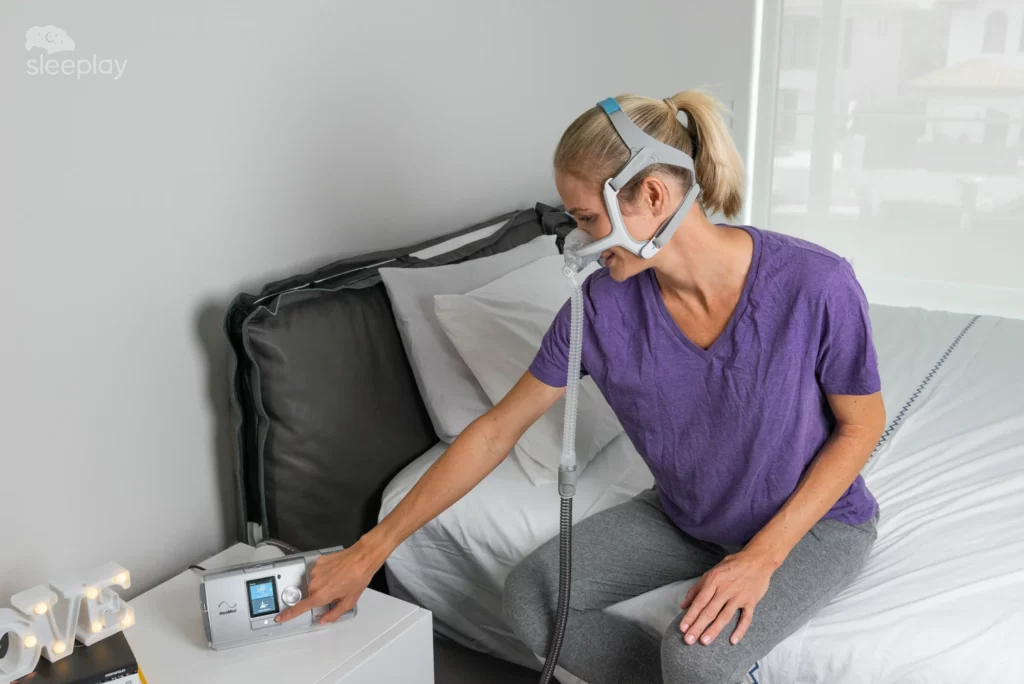
What is a simple step-by-step way to choose the right mask?
They should start with breathing style, then confirm fit for sleeping position, then optimise comfort. This prevents buying a mask that “should” work but does not match their reality.
First, identify whether they mouth breathe: if yes, start with a full-face mask; if no, start with nasal pillows or a nasal mask. Next, match to position: side and stomach sleepers usually go smaller and lower-profile. Finally, fine-tune with sizing, humidification, and hose routing, then judge success by comfort and leak data over a week, not one night.
More to Read : Where to Buy a Portable Oxygen Concentrator in Australia
FAQs (Frequently Asked Questions)
What are the main types of CPAP masks and who should use each?
The main CPAP mask types include nasal pillows, nasal masks, and full-face masks. Nasal pillows suit those seeking minimal facial contact or who feel claustrophobic. Nasal masks offer more stability, especially at higher pressures, covering the nose. Full-face masks cover both nose and mouth, ideal for mouth breathers or those with frequent nasal blockage.
How does my sleeping position influence the best CPAP mask choice?
Sleeping position affects mask pressure points and potential leaks. Side sleepers often benefit from low-profile designs like nasal pillows or compact nasal masks to reduce pillow contact. Stomach sleepers need the smallest setup with flexible tubing to prevent displacement. Back sleepers can usually tolerate any mask type, focusing on comfort and leak control.
Which CPAP mask is best if I breathe through my mouth at night?
For true mouth breathers, a full-face mask is typically the simplest and most effective solution as it maintains therapy even when the mouth opens. Some may switch to nasal breathing using chin straps or treating nasal congestion to use nasal or pillow masks, but persistent dry mouth or leaks often indicate a full-face mask is preferable.
How should I choose a CPAP mask if I have nasal congestion or allergies?
If nasal blockage is frequent, a full-face mask is generally more reliable to maintain therapy effectiveness. For occasional congestion, nasal or pillow masks combined with humidification, heated tubing, or clinician-approved nasal treatments can work well. The key is selecting a setup that functions effectively even during congested nights.
Does the CPAP pressure level affect which mask I should select?
Yes. Higher pressures may cause instability or noise if the seal isn’t robust. Nasal pillows can work at higher pressures but might cause nostril soreness for some; in such cases, a nasal mask can distribute pressure more comfortably. For high pressures combined with mouth breathing, a well-fitted full-face mask often offers the most predictable performance.
What causes CPAP mask leaks and how can I prevent them?
Leaks commonly result from incorrect size or cushion shape, movement during sleep, over-tightening straps that warp cushions, facial hair disrupting seals, or pillow pressure pushing the mask out of place. Proper hose management is also crucial since tubing tugging can break seals when turning in bed. Aim for a stable seal with straps tightened just enough for comfort.